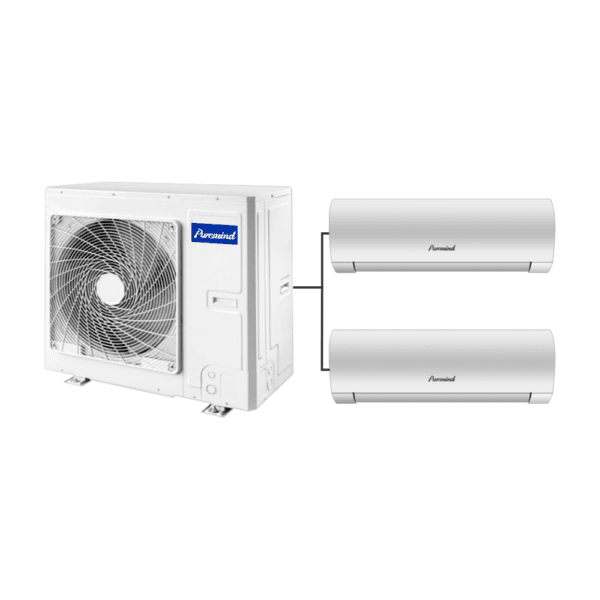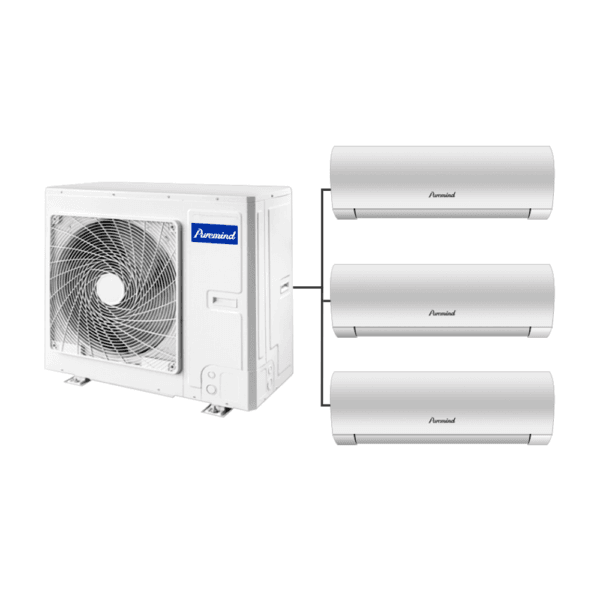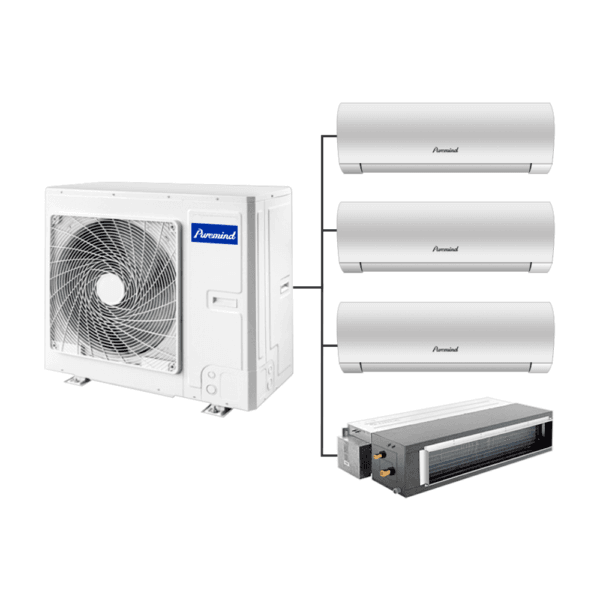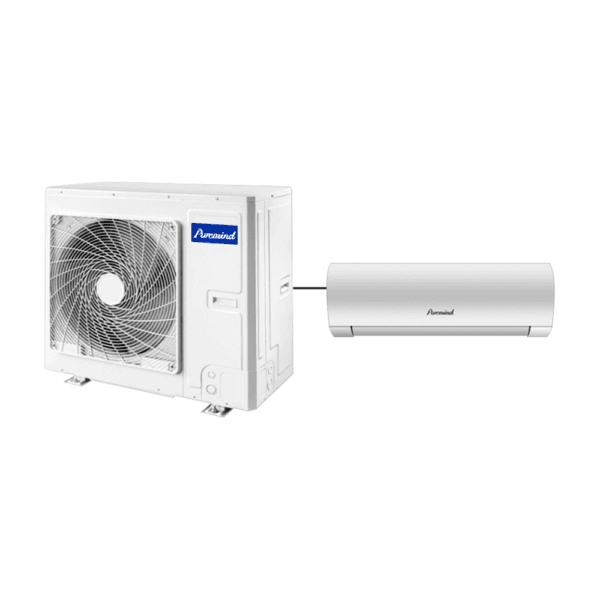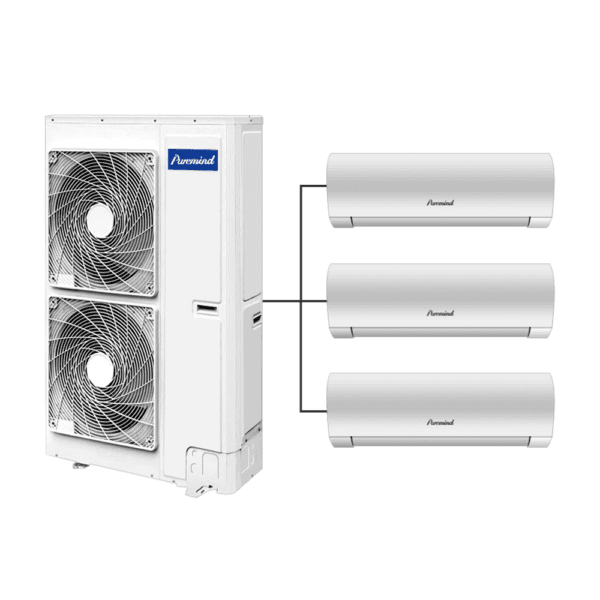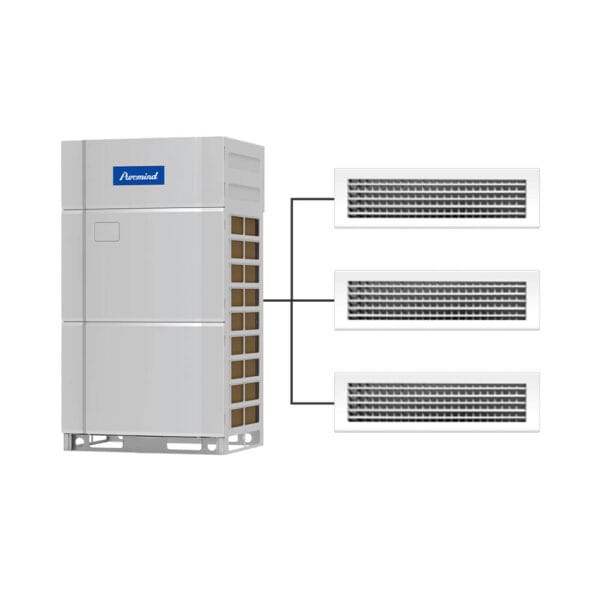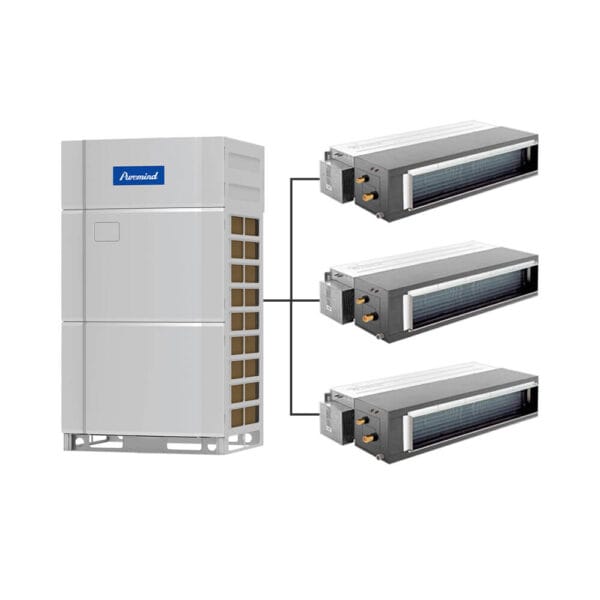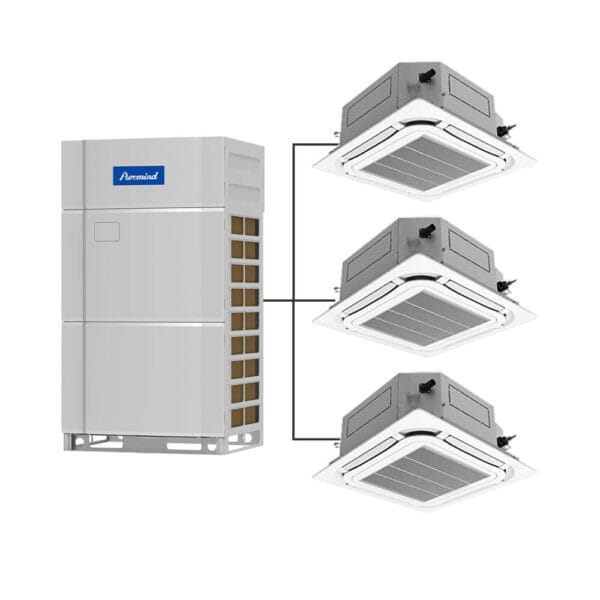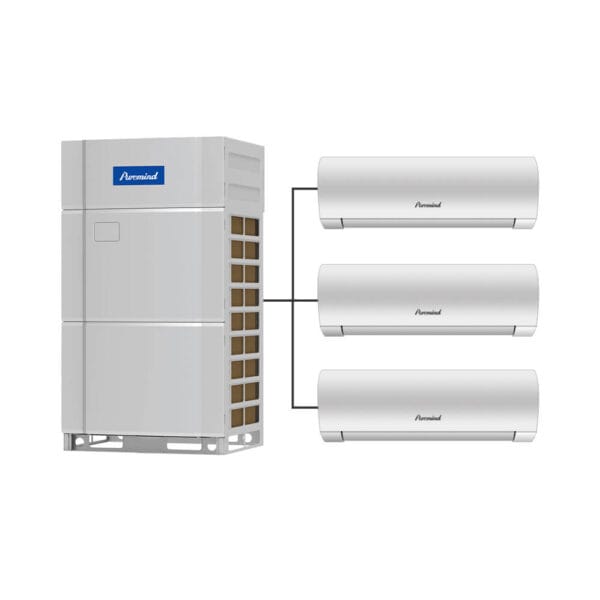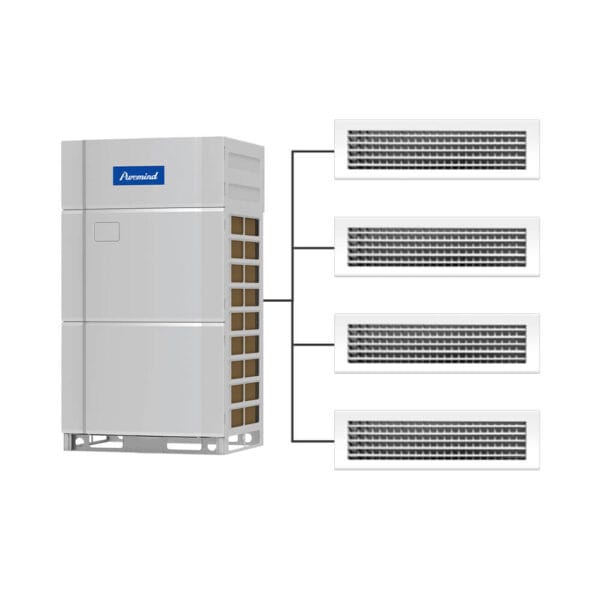

VRF System

Showing 1–12 of 17 results
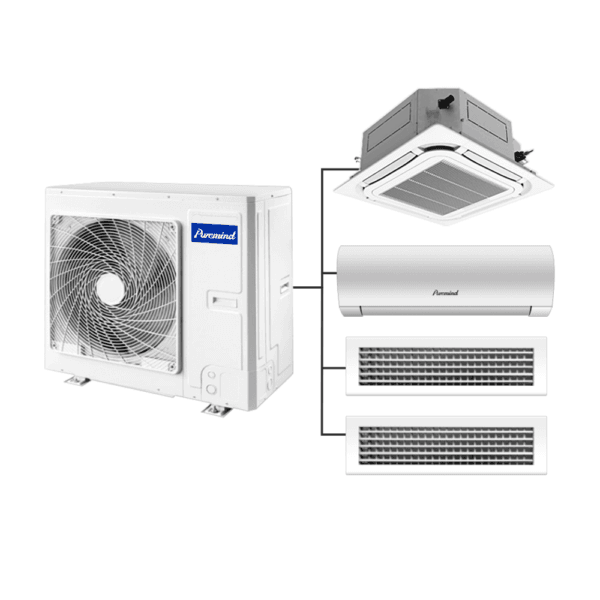
VRF System Supply

Puremind OEM/ODM Manufacturer

Overview

Puremind VRF systems (Variable Refrigerant Flow) provide advanced, energy-efficient climate solutions for commercial buildings, offices, hotels, and large residential projects. As a professional OEM/ODM VRF manufacturer, we offer a complete portfolio including the standard VRF system, the compact VRF mini system, and the space-saving VRF slim system.

With over 10 years of HVAC manufacturing expertise, Puremind delivers flexible multi-zone air conditioning solutions that combine superior comfort, reduced energy costs, and smart building integration. Our VRF technology is engineered in compliance with ASHRAE standards, ensuring performance and reliability worldwide.

Product Range

  • VRF System — Full-scale multi-zone cooling and heating with variable refrigerant flow. Suitable for large commercial complexes, hotels, and educational facilities.
  • VRF Mini System — Compact VRF designed for small offices, shops, and residential apartments. Offers efficiency and flexibility in limited spaces.
  • VRF Slim System — Ultra-slim outdoor unit option that saves space while delivering the same efficiency. Ideal for projects with architectural or space restrictions.

Key Features

  • Multi-Zone Control — Simultaneous heating and cooling across multiple indoor units.
  • High Energy Efficiency — Advanced inverter compressors optimize part-load performance.
  • Flexible Piping — Long piping allowances up to 1000m for complex building layouts.
  • Smart Integration — BMS-ready with Modbus and BACnet protocols for building automation.
  • Quiet Operation — Low noise levels ensure comfort in offices, hotels, and residential spaces.

Technical Advantages

  • Variable Refrigerant Flow — Adjusts cooling/heating capacity in real-time according to demand.
  • Wide Operating Range — Reliable performance from -20°C heating to 48°C cooling.
  • Durability — Anti-corrosion coating and robust components ensure long service life.
  • Smart Controls — Centralized controllers, Wi-Fi, and app integration for user convenience.
  • Eco-Friendly Refrigerants — R32/R410a options aligned with global environmental policies.

Applications of VRF Systems

Puremind VRF AC solutions are suitable for:

  • Commercial Buildings — Office towers, shopping malls, and business centers needing flexible zoning.
  • Hospitality — Hotels, resorts, and restaurants requiring individualized comfort for guests.
  • Education — Schools and universities needing efficient HVAC across multiple classrooms.
  • Healthcare — Hospitals and clinics with strict temperature and air quality requirements.
  • Residential Projects — Large apartments and villas with high comfort expectations.

For additional central air conditioning solutions, explore our
Central Air Conditioner Catalog.

VRF Mini vs Slim vs Standard

Puremind provides three VRF options to meet different project demands:

  • VRF System — Full-capacity solution for large-scale commercial buildings with high load demands.
  • VRF Mini — Compact and cost-effective, designed for smaller buildings while retaining VRF efficiency.
  • VRF Slim — Optimized for installations with space limitations or architectural constraints, maintaining performance in a compact footprint.

Energy Efficiency & Compliance

Puremind VRF air conditioners are designed to meet global efficiency and safety standards. Our systems align with ASHRAE guidelines and Energy Star benchmarks for high performance.

  • SEER/SCOP Optimized — High seasonal efficiency for significant energy savings.
  • ERP Compliant — Meets European ERP energy labeling requirements.
  • Low-GWP Refrigerants — Supports sustainability and compliance with environmental regulations.

Installation & Maintenance

  • Flexible piping design reduces installation constraints.
  • Compact mini and slim VRF units simplify transportation and setup.
  • Accessible service panels ensure easy maintenance.
  • Remote monitoring and fault diagnostics minimize downtime.

Market Trends & Opportunities

The VRF system market is growing rapidly as businesses demand energy-efficient HVAC solutions with flexible zoning. In Asia and Europe, VRF is becoming the dominant technology for commercial HVAC, while North America is seeing increased adoption in residential and mixed-use projects. Puremind helps distributors and contractors seize these opportunities with OEM/ODM programs and customizable VRF product lines.

Why Choose Puremind?

  • OEM/ODM Expertise — 10+ years of customized VRF solutions for international partners.
  • Comprehensive Product Line — Standard VRF, mini VRF, and slim VRF to meet all building sizes.
  • Factory-Direct Supply — Competitive pricing and consistent quality control.
  • Certification Support — CE, RoHS, ERP, ISO certifications for global markets.
  • After-Sales Support — Technical training, documentation, and service support.

Customer Value

Working with Puremind means access to a complete VRF AC portfolio that meets diverse building needs. From compact mini VRF systems for apartments to large-scale central VRF projects for commercial complexes, our products combine high efficiency, flexible installation, and global compliance.

Get a Quote

Looking for a reliable VRF system manufacturer?
Contact Puremind today for specifications, catalogs, or quotations on VRF, VRF mini, and VRF slim projects.

16000 btu marine air conditioner

16000 Btu Marine Air Conditioner

Puremind Air Conditioner Wholesaler

16000 btu marine air conditioner is for Marine

AHU Cooling Only

AHU Cooling Only: Efficient Air Handling for Comfort and Performance

Introduction

Indoor air quality and temperature control are critical for both commercial and residential spaces. AHU Cooling Only systems—air handling units designed exclusively for cooling—are widely used in offices, malls, hospitals, and industrial facilities where precise cooling and fresh air supply are needed without heating functions.


Key Takeaways

  • AHU Cooling Only units provide efficient cooling and ventilation without heating.

  • Ideal for climates or applications where cooling is the primary demand.

  • Improve indoor air quality through filtration, dehumidification, and circulation.

  • Common in commercial buildings, healthcare, and industrial projects.

  • Energy-efficient option when heating is not required.


What is an AHU Cooling Only System?

An Air Handling Unit (AHU) Cooling Only is a type of HVAC equipment designed to circulate and cool air within a building. Unlike full AHUs that manage both heating and cooling, this version focuses solely on delivering chilled air.

Core Components

  • Cooling coil: absorbs heat and lowers air temperature.

  • Blower fan: circulates cooled air throughout ducts and spaces.

  • Filters: remove dust and particles for cleaner indoor air.

  • Casing and controls: ensure safe operation and system regulation.


Why Choose AHU Cooling Only?

Energy Savings

By eliminating heating functions, AHU Cooling Only units reduce energy consumption and operational costs, especially in warm climates where cooling is needed year-round.

Simplicity and Cost-Effectiveness

The streamlined design makes these systems less complex and easier to maintain, lowering both upfront and long-term expenses.

Consistent Comfort

These units provide reliable cooling and ventilation, making them suitable for facilities with strict temperature and air quality requirements.


Where Are AHU Cooling Only Units Used?

Commercial Buildings

Offices, malls, and hotels often rely on cooling-only AHUs to maintain comfort in large indoor spaces.

Healthcare Facilities

Hospitals and clinics use them to manage temperature-sensitive areas while ensuring clean, filtered air.

Industrial Applications

Factories and production areas benefit from constant cooling to protect equipment, materials, and worker comfort.


How Does an AHU Cooling Only Work?

The process starts with outside or return air passing through filters before moving across the cooling coil. Heat is absorbed by chilled water or refrigerant, lowering the air temperature. The blower then distributes the conditioned air through ducts to occupied spaces, ensuring both comfort and ventilation.


Benefits Compared to Full HVAC Systems

  • Lower energy use: no heating means less power consumption.

  • Focused performance: optimized for cooling-intensive environments.

  • Space saving: simpler components and installation footprint.

  • Reduced maintenance: fewer moving parts compared to full-function AHUs.

Conclusion

AHU Cooling Only systems are a practical choice for projects where cooling dominates demand. By offering efficient cooling, improved indoor air quality, and lower operating costs, they stand out as a reliable HVAC solution for modern commercial and industrial environments.

Air Conditioner for Solar Power

Air Conditioner for Solar Power: Sustainable Cooling for Modern Homes

Introduction

Rising energy costs and growing awareness of climate change are driving homeowners and businesses to explore renewable energy solutions. Among these, using an air conditioner for solar power has become a practical and eco-friendly option. By combining solar panels with energy-efficient AC systems, users can enjoy comfort while reducing their dependence on the grid.


Key Takeaways

  • Air conditioners for solar power use solar energy to reduce electricity bills.

  • Available in off-grid, hybrid, and solar-ready inverter models.

  • Suitable for homes, offices, and remote areas with limited grid access.

  • Benefits include lower operating costs, reduced carbon footprint, and long-term savings.

  • A growing trend in sustainable building and green energy projects.


What is an Air Conditioner for Solar Power?

An air conditioner for solar power is designed to operate directly or indirectly using energy generated by solar panels. Unlike conventional AC units that rely solely on grid electricity, these systems integrate with solar energy to provide cooling in an environmentally friendly way.

Types of Solar-Powered AC Systems

  • Off-Grid Solar AC: Runs entirely on solar energy and batteries, ideal for remote areas.

  • Hybrid Solar AC: Uses solar power during the day and automatically switches to grid power at night.

  • Solar-Ready Inverter AC: Standard inverter AC units paired with solar panels through an inverter system.


Why Choose an Air Conditioner for Solar Power?

Cost Savings

By reducing reliance on grid electricity, solar-powered ACs can cut energy bills by 40–80%, depending on local sunlight conditions and system size.

Environmental Benefits

Solar AC systems reduce carbon emissions, supporting sustainable living and helping projects qualify for green certifications.

Energy Independence

In regions with unstable power supply, solar air conditioners offer reliability and resilience by using stored solar energy.


Who Should Consider Solar Air Conditioners?

  • Homeowners seeking lower utility bills and eco-friendly solutions.

  • Businesses aiming to reduce operational costs and meet sustainability goals.

  • Remote facilities such as farms, schools, and healthcare clinics in off-grid areas.


How Does a Solar Air Conditioner Work?

Solar panels capture sunlight and convert it into electricity. This energy is either stored in batteries or sent directly to power the AC unit. In hybrid systems, if solar energy is insufficient, the AC automatically switches to grid electricity, ensuring uninterrupted cooling.


Benefits Compared to Traditional AC Systems

  • Lower bills: Substantial reduction in monthly electricity costs.

  • Flexible installation: Works in both urban homes and rural projects.

  • Sustainability: Supports global energy transition goals.

  • Long-term ROI: Initial investment pays back through energy savings.

Conclusion

An air conditioner for solar power represents the future of sustainable cooling. By combining renewable energy with advanced inverter technology, these systems offer an eco-friendly, cost-effective solution for homes, businesses, and off-grid projects. As solar adoption grows worldwide, solar-powered air conditioners will continue to play a vital role in reducing energy costs and supporting a greener planet.

Mini Split Of Air Conditioner

Mini Split of Air Conditioner: Flexible Cooling for Every Space

Introduction

Modern households and small businesses are increasingly turning to mini split air conditioners as an alternative to traditional central HVAC systems. With their compact design, energy efficiency, and zoned cooling capabilities, mini splits are ideal for homes, apartments, and offices seeking customized comfort without extensive ductwork.


Key Takeaways

  • Mini split of air conditioner = ductless system offering targeted cooling.

  • Consists of two main parts: indoor unit and outdoor compressor.

  • Energy-efficient with inverter technology for lower bills.

  • Perfect for homes, apartments, and small commercial spaces.

  • Easy to install with flexible design options.


What is a Mini Split Air Conditioner?

A mini split of air conditioner is a ductless system that provides cooling and heating through one or more indoor units connected to an outdoor compressor. Unlike central air systems, it does not require ductwork, making installation simpler and more adaptable.

Main Components

  • Indoor Unit: Mounted on walls or ceilings to deliver cool air directly.

  • Outdoor Unit: Houses the compressor and condenser.

  • Refrigerant Lines: Connect indoor and outdoor units, transferring heat.

  • Remote or Smart Controls: Allow easy temperature adjustments.


Why Choose a Mini Split of Air Conditioner?

Energy Efficiency

Mini split systems often use inverter-driven compressors, adjusting energy output to match cooling needs. This saves electricity compared to fixed-speed units.

Zoned Comfort

Each indoor unit can be controlled independently, so you can cool one room without wasting energy on unused spaces.

Quiet Operation

Mini splits are designed for minimal noise, making them suitable for bedrooms, offices, and study areas.


Who Should Consider Mini Split Systems?

  • Homeowners looking for efficient, flexible cooling.

  • Apartment dwellers where central systems are impractical.

  • Small businesses such as shops, cafes, and clinics.

  • Renovation projects where duct installation is difficult.


How Does a Mini Split Work?

The system absorbs heat from indoor air through the refrigerant lines, transfers it to the outdoor unit, and releases it outside. In cooling mode, the indoor unit delivers chilled air directly into the room, ensuring precise temperature control.


Benefits Compared to Traditional AC Systems

  • No ductwork required: Reduces energy loss and installation complexity.

  • Customizable comfort: Control temperatures in each room individually.

  • Compact design: Fits easily into modern interiors.

  • Lower long-term costs: High efficiency reduces electricity bills.

Conclusion

The mini split of air conditioner is a smart solution for anyone seeking efficient, flexible, and cost-saving cooling. Whether for residential, commercial, or renovation projects, mini split systems deliver comfort without the complexity of central HVAC. Their popularity continues to rise as energy-conscious consumers look for practical and sustainable cooling options.

VRF Mini

VRF Mini: Compact Cooling Solutions for Modern Buildings


Introduction

As energy efficiency and space optimization become top priorities in modern construction, VRF Mini systems are gaining attention. These compact versions of Variable Refrigerant Flow (VRF) technology provide powerful cooling and heating while fitting into small-scale projects like offices, shops, and residential buildings. For businesses and homeowners alike, VRF system offers a balance of performance, flexibility, and efficiency.

Key Takeaways

  • VRF Mini = smaller, more compact version of Variable Refrigerant Flow (VRF) technology
  • Ideal for small to medium-sized buildings, offices, and homes
  • Saves space without sacrificing comfort or efficiency
  • Provides precise temperature control for multiple rooms
  • Energy-efficient option that reduces operating costs over time

What is a VRF Mini?

A VRF Mini system is a downsized version of the traditional VRF air conditioning solution. Unlike large VRF units designed for commercial towers or industrial spaces,compact VRF unit are compact and suitable for smaller footprints. They deliver the same flexibility of zoning and advanced temperature control, but in a more affordable and space-saving design.

Why Choose a VRF Mini?


Space Efficiency

VRF systems are designed for installations where large outdoor units are not practical. They can be placed on small rooftops, balconies, or side yards without compromising building aesthetics.

Cost-Effectiveness

While a full VRF system may be excessive for small projects, it provides the same technology at a lower initial cost, making it an attractive choice for small businesses or residential projects.

Comfort & Flexibility

VRF systems allow precise control of indoor environments. Multiple indoor units can be connected to a single outdoor system, giving each room or zone customized comfort settings.

Who Should Consider a VRF Mini?

Small businesses: offices, shops, restaurants needing efficient comfort. Residential users: homeowners who want multi-room control without bulky systems. Architects and engineers: looking for compact solutions in space-restricted projects.

How Does a VRF Work?

Like full VRF systems, Mini VRF technology regulates refrigerant flow to multiple indoor units. It uses inverter-driven compressors to adjust cooling and heating output precisely, ensuring consistent comfort while minimizing energy waste.

Benefits Compared to Traditional Systems

Energy Efficiency: Reduces electricity usage compared to fixed-speed systems. Scalability: Can serve multiple rooms without installing several outdoor units. Quiet Operation: Designed to run with minimal noise, ideal for homes and offices. Lower Carbon Footprint: Supports sustainable building designs.

Conclusion

The VRF Mini brings the advantages of VRF systems into smaller spaces, making it a smart choice for modern buildings where space and energy efficiency matter. With compact design, flexible zoning, and reduced operating costs, it is increasingly becoming the go-to solution for homeowners, small businesses, and project engineers seeking reliable comfort.

VRF Slim

VRF Slim: Compact Climate Solutions for Modern Spaces


Introduction

As cities become denser and space more valuable, HVAC solutions need to adapt. VRF Slim systems have emerged as a compact version of variable refrigerant flow technology, designed for buildings where space, aesthetics, and energy efficiency all matter. These slimline outdoor units bring the power of VRF systems into tight spaces, making them a favorite among architects, engineers, and building owners.

Key Takeaways

  • VRF Slim = a compact version of VRF (Variable Refrigerant Flow) air conditioning systems.
  • Ideal for narrow rooftops, balconies, and tight installation areas.
  • Delivers flexible, energy-efficient heating and cooling for multiple rooms.
  • A smart choice for modern residential and light commercial projects.

What is a VRF Slim System?

A space-saving VRF is essentially a slimmer, more space-efficient VRF outdoor unit. While standard VRF units may require large rooftops or mechanical rooms, the slim version is designed to fit into narrow spaces without compromising performance.

How it Works

Space-saving VRF unit uses the same principle as traditional VRF: adjusting refrigerant flow to match demand across multiple indoor units. The main difference lies in its slim profile, which allows installation in urban or space-constrained environments.

Why Choose a Slim AC VRF?

Space-Saving Design

One of the biggest advantages is installation flexibility. VRF units can be placed on narrow rooftops, small balconies, or side yards where standard outdoor units would not fit.

Energy Efficiency

Like other VRF systems, the slim series uses inverter-driven compressors, allowing precise energy use and reducing wasted power. This makes it suitable for projects aiming at green building certifications.

Comfort and Control

Slim-profile VRF AC provide multi-zone control, letting each room or office space set its preferred temperature. This enhances comfort while lowering overall running costs.

Who Should Consider a VRF Slim?

  • Residential projects: apartments, townhouses, and high-rise homes with limited outdoor space.
  • Light commercial buildings: small offices, shops, and restaurants.
  • Architects & engineers: looking for efficient yet compact climate control solutions.

Benefits Compared to Traditional Systems

  • Compact footprint: perfect for urban settings.
  • Multi-zone capability: connect several indoor units to one slim outdoor system.
  • Quiet operation: designed for noise-sensitive areas.
  • Lower running costs: thanks to energy-efficient refrigerant management.

Conclusion

The variable refrigerant flow slim series is proof that size doesn’t limit performance. With its compact design, advanced energy efficiency, and zoning flexibility, it has become a go-to solution for projects where space is restricted but comfort cannot be compromised. Whether for residential buildings or small commercial projects, VRF System delivers reliable performance in a sleek package.

Get a Free Quote